
In the early 1900s, Japan was rapidly elevating its status within the international community. Decades after the Meiji Restoration, and having joined the ranks of the “Great Powers” following its victories in the Sino-Japanese and Russo-Japanese Wars, this post outlines how Japan’s shifting situation affected the formation of the local community.
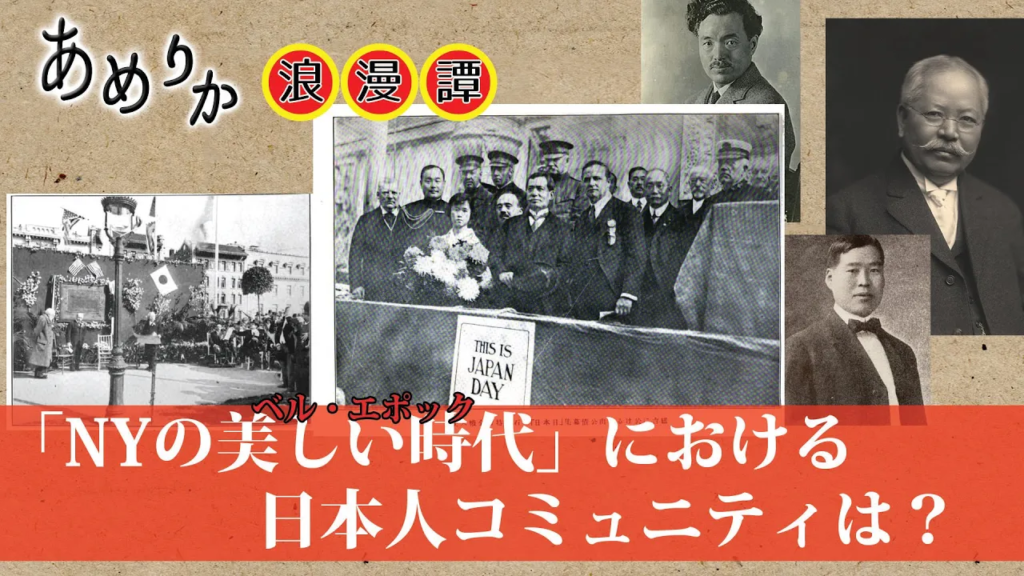
Shifting International Status and Elevation to Consulate General
The victories in the Sino-Japanese War in 1894 and the Russo-Japanese War in 1904 fundamentally changed Japan’s international reputation. One practical manifestation of this was the elevation of the Japanese Consulate in New York to a “Consulate General” in 1902.
The fact that a Consulate General was established in New York before London demonstrates that the Japanese government positioned New York as its most critical economic and diplomatic hub. Backed also by the Anglo-Japanese Alliance concluded in the same year, the local society’s view of Japanese people shifted from being merely “people from a small Eastern nation” to citizens of a “first-rate power” that had achieved modernization.
The Establishment of Three Organizations that Formed the Foundation of Japanese Society
Most of the major Japanese organizations we see in New York today were actually born during this period.
Japan Mutual Aid Society (1907): A mutual aid organization established by Dr. Toyohiko Takami and others. Aiming for livelihood support and protection of rights, it became the parent organization of the current Japanese American Association of New York (JAA).
The Nippon Club (1905): A social organization established primarily by Jokichi Takamine and others. Amidst the Russo-Japanese War, it functioned as a base for the elite Japanese class.
Japan Society (1907): Founded with the involvement of the Mayor of New York and business leaders, aiming to foster cultural and economic exchange between Japan and the United States.
The simultaneous establishment of these three organizations during this period shows that the Japanese community at the time had a strong will not to be “temporary residents,” but to “take root in this land and build a society.”
Representative Japanese Figures of the Era
During this period, there were Japanese residents in New York who achieved world-class success in their specialized fields.
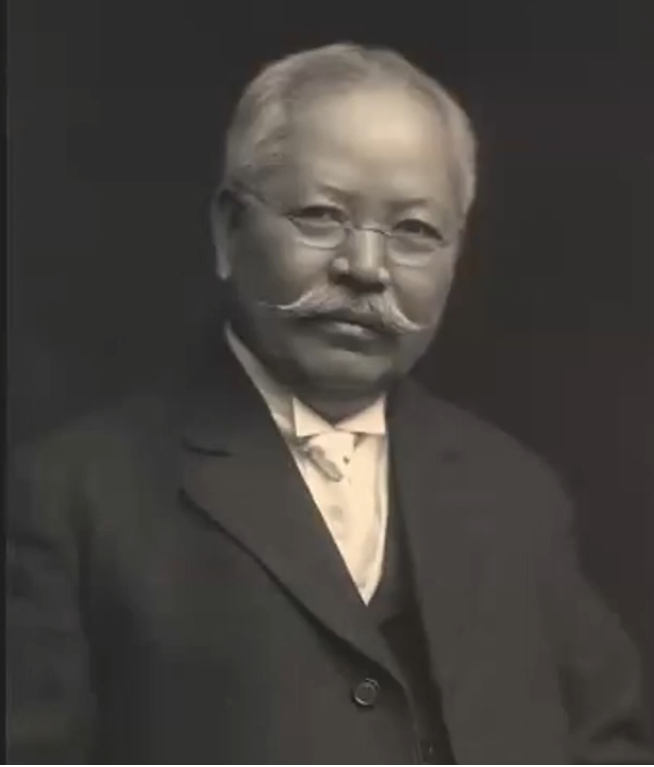
One was the chemist, Jokichi Takamine. Achieving commercial success through his discoveries of Taka-Diastase and adrenaline, he leveraged his wealth and network as a leader of the Japanese community to help establish various organizations.
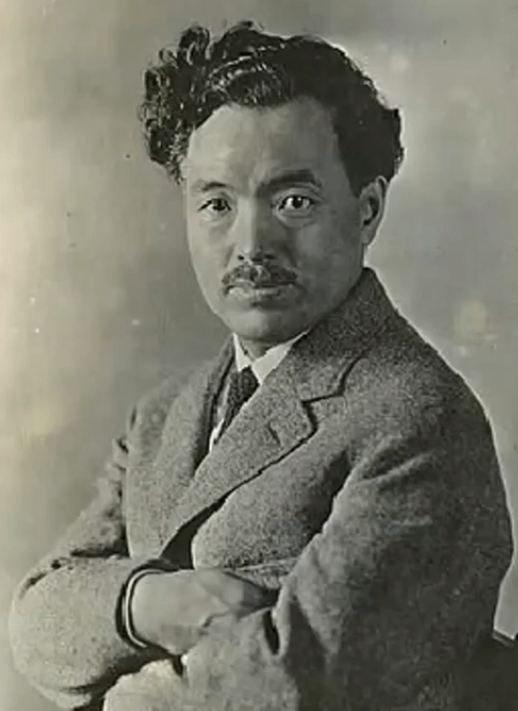
The other was the bacteriologist, Hideyo Noguchi. Engaging in research at the Rockefeller Institute for Medical Research and being nominated for the Nobel Prize, he became a figure who proved the intellectual capacity of Japanese people internationally from an academic standpoint. Although Noguchi was too absorbed in his research to be the type to hustle for community management, his very existence served as a source of pride, proving Japanese intelligence to the world.
The Cherry Blossoms of Sakura Park: The Story Behind the Donation
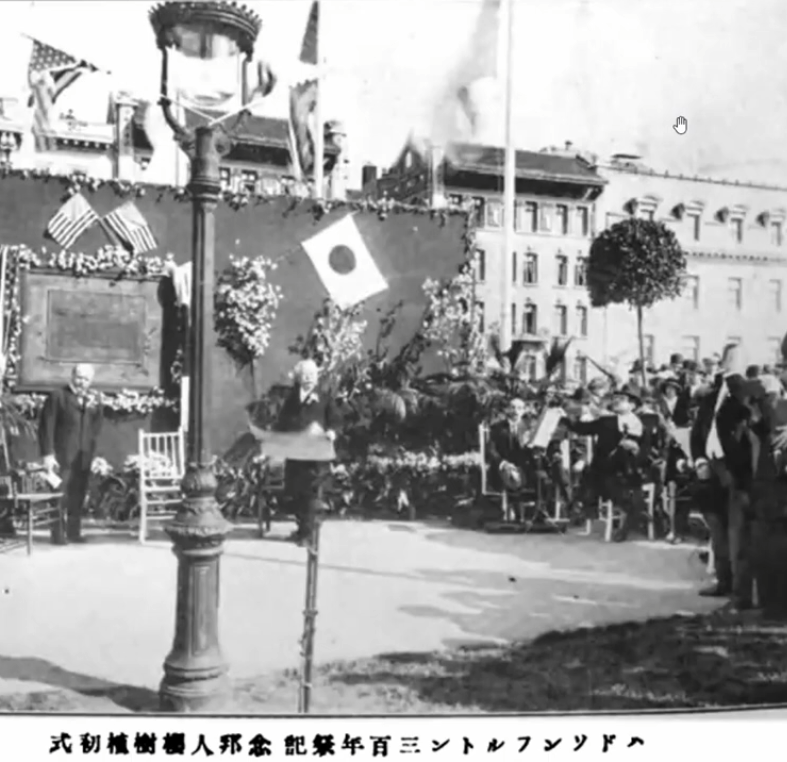
“Sakura Park,” which we can still see in Manhattan today, hides a story that could be described as the obsession of our predecessors.
In 1912, 2,100 cherry blossom trees were donated from the City of Tokyo to New York. In fact, three years prior, the cherry blossoms that were intended to be sent in conjunction with the Hudson-Fulton Celebration faced a tragedy; they were deemed a “pest hazard” under the Plant Quarantine Act and were completely incinerated.
“This time, we will make Japan’s flowers bloom in this land.” That obsession bore fruit, and the cherry blossoms planted along the Hudson River continue to color the New York sky every spring.
The Trend Toward the Anti-Japanese Immigration Act
In 1920, Japan became a permanent member of the League of Nations, and its diplomatic status reached its peak. However, contrary to the elevation of its status back home, vigilance against Japanese people (the Yellow Peril) grew stronger in American society. In 1924, the Johnson-Reed Act (often commonly referred to as the “Anti-Japanese Immigration Act” in Japan), which heavily restricted immigration, was enacted, virtually banning Japanese immigrants. The period of prosperity that the Japanese society had welcomed was forced to face a major turning point with the enactment of this law.
Next time, we will examine the specific details of the living environments and occupations of the people at that time.